

Chore Core, a term I think we coined on the show, is in a weird place right now. There are plenty of games out there featuring the gamification of mundane tasks, ranging from power washing to lawn mowing to automotive repair, to name just a few.
If you’ve been paying attention lately, you’ve likely noticed a new challenger in the mix, and a lot of it: the “Tidy Up” sub-genre.
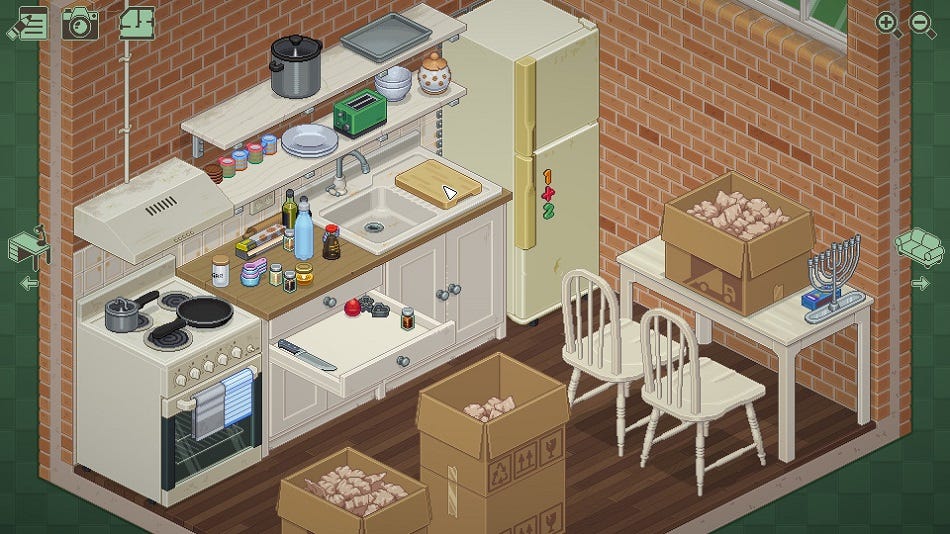
You could argue things technically got started with Unpacking in 2021. Taking your pixel art keepsakes out of pixel art boxes to fill shelves and surfaces was a mellow escape, coated in a nostalgic, thoughtful, unspoken story wrapper.
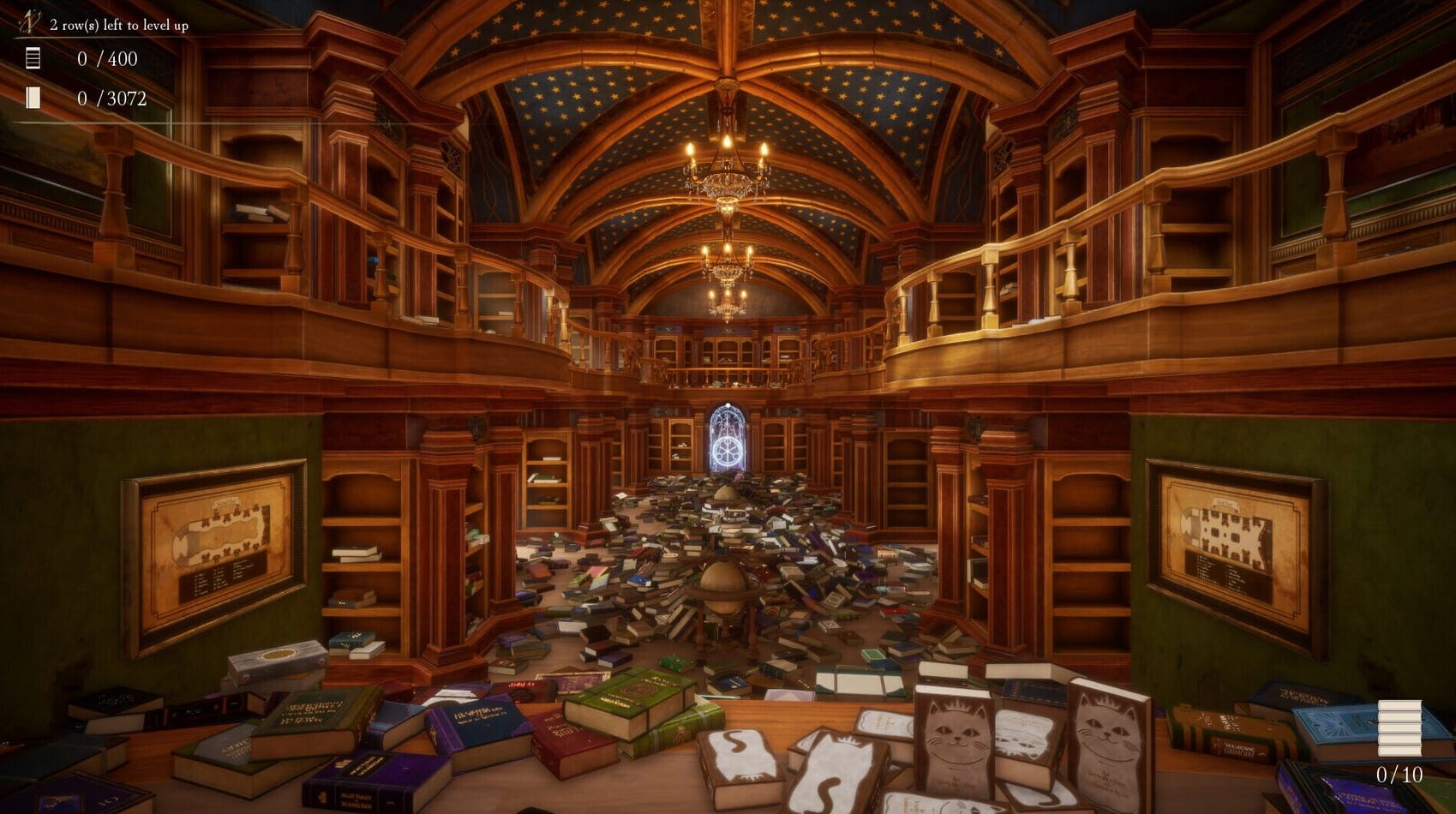
But the real Tidy Up phenomenon seemed to pop off proper with the release of Librarian: Tidy Up the Arcane Library! The game came out of nowhere and quickly nabbed players’ attention with addictive and satisfying organization loops, with ability progression baked in for good measure.
No one predicted people would be this into putting hundreds of scattered magical books back where they belong. But they did. And now, a ton of titles like this are hitting digital stores every week.
I’ve tried to figure out what the main dopamine dispenser is in these games, and it kind of boils down to a combination of tactile visuals and clicky sound work, with a great sense of flourish when things snap into place. It’s a very addictive and relaxing sensory experience.
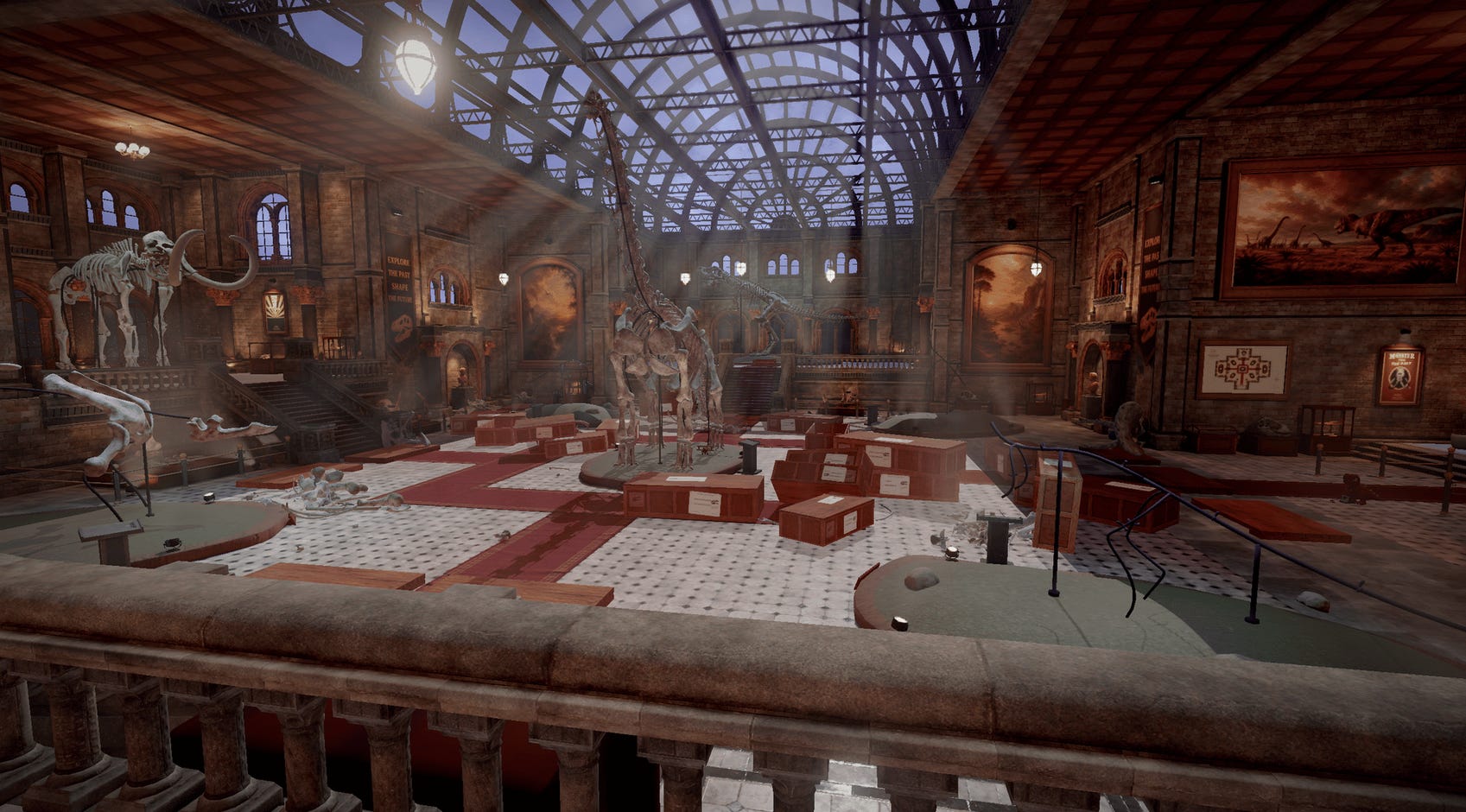
Great recent examples include Dino Bones and Shelves & Sorcery, among others. But there’s a problem, folks: a load of these pouring out every week are simple asset flips and Gen-AI gunk, offering very little outside the basic established gameplay loop.
Because the games are cheap, it’s easy to get tricked into buying a few that aren’t up to standard, especially if you’ve already spent time with the better ones. It’s a real “sort-’em-up” shovelware nightmare if you’re not sure what you’re looking for.
After some thought, I think what makes the good ones work is the “control vs. chaos” structure of it all. We all have work to do in the real world that we are definitely not in the mood for. But in these games, total order is guaranteed, achievable, and completely within the player’s control. That’s not always true in meatspace.
That, and the low-stakes fail states. No health bars, less reliance on timers, and zero stress over penalties, just “do-it-at-your-own-pace” environments with “save-anywhere” functionality built right in.
Like many indie trends before it, we’ll probably see more Tidy Up games before we see fewer, and overall I think that’s a good thing. But like the Vampire Survivors-likes before them, there will come a time when the novelty wears a little thin. And hell, by then, something new will be there to take its place anyway.
If you can weather the influx of unpolished clones and ugly Gen-AI attempts, there’s going to be some really fun iteration and innovation to mine in future titles.
Now someone just needs to make a tidy-up game about how to tidy up all your tidy-up games. - Scott