

We had a great conversation on the CORE/Grinding Gear crossover episode this week. Felt like it could have a bit more breathing room here as well.
For twenty-two years, World of Warcraft has operated on a simple, reliable rhythm: new expansion, new continent, new level cap, old content abandoned/deemphasized. Players grind to the new ceiling, the previous era becomes a ghost town, and lots of players wait eighteen months for the next reset button. It’s worked. It’s also exhausted a huge portion of the audience. Some of the CORE hosts included
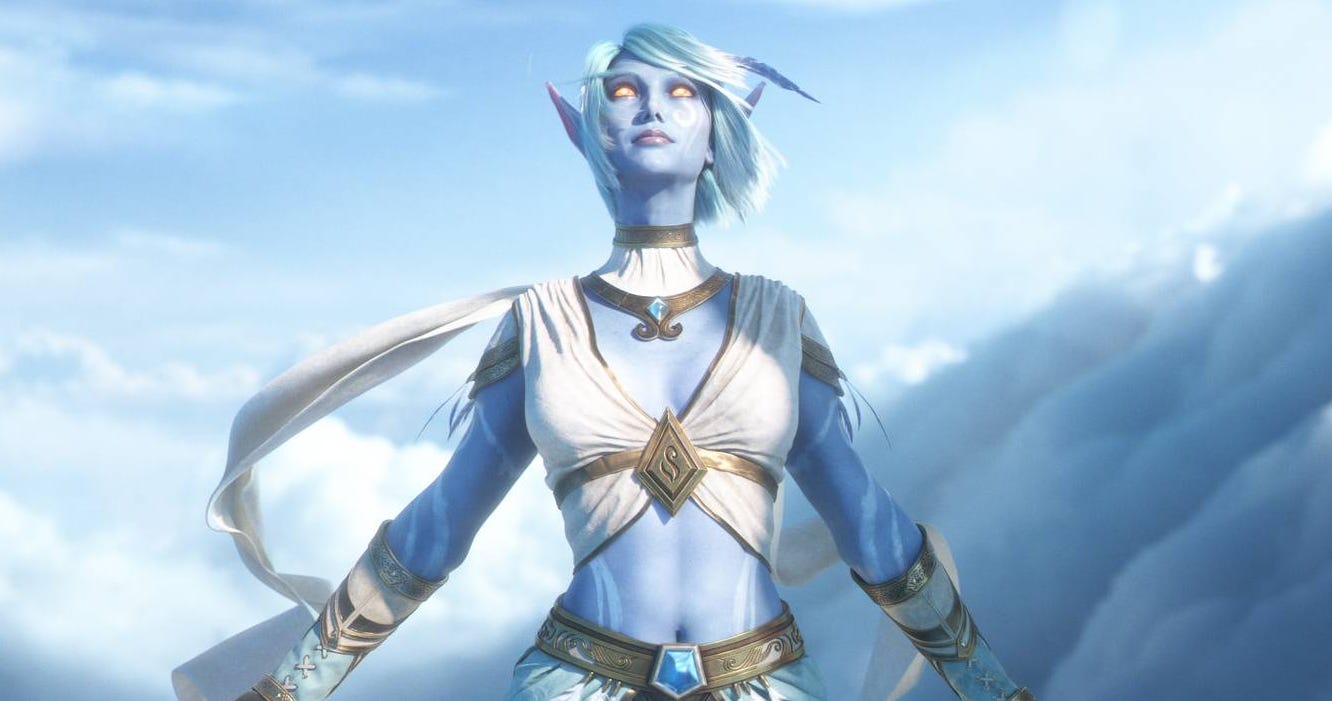
Which is why World of Warcraft: Forever, the so-called Classic+ project announced at this year’s BlizzCon, feels less like a product and more like an admission. Blizzard is finally acknowledging something the community has been saying for a decade: a lot of us don’t want a new game. We want this game, with room to breathe. (My personal argument is you kinda needed to go through that 22 years to even see it. I have no beef with that. It’s how it works.)
The Vanilla Trap
The first mistake people make about Classic+ is assuming it’s for vanilla purists. It isn’t. The vanilla purists already have their servers. They’ve had them for years. They log in, they level to 60, they raid Molten Core, they complain/praise the graphics, and they log out. That audience was never going to be the growth engine for a long-term Classic ecosystem, because they already got what they wanted. Some liked that Blizzard then cycled through some of the expansions, including the current run of Mists. Many don’t. They just want that vanilla taste to linger forever.
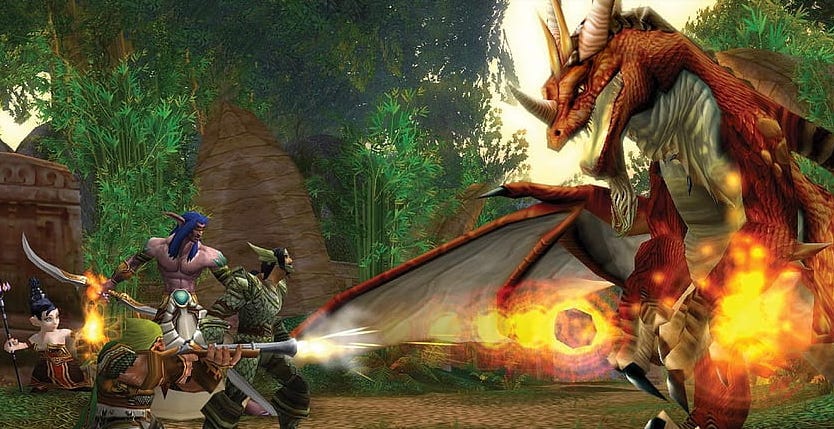
What Forever is actually chasing is a much larger, much quieter, and potentially larger group: players who loved the feeling of early WoW — the friction, the community, the sense that the world was a place rather than a lobby — but who have no interest in pretending 2004 design standards hold up in 2026. These are people who played Season of Discovery, watched a warrior pull an entire dungeon with a scorpion-themed grappling hook, and thought: okay, now do more of that. (One of those people was Beau, and bless him for it.)
Season of Discovery was the proof of concept. It took the classic framework and asked genuinely interesting questions: What if the rogue could tank? What if the mage could heal? What if we stopped treating class roles as scripture and started treating them as suggestions? It was messy. It was unbalanced. It was also the most fun a lot of people had with WoW in years, precisely because it was willing to break its own rules.
Forever is the promise that the experimentation doesn’t end when the season does.
Horizontal Progression Is the Whole Thing!
The leaks and teases so far point toward something the community has been begging for since at least Legion: horizontal progression. New classes. New roles. Bards. Tinkers. Vampire-adjacent Death Knight variants. Content that doesn’t invalidate what came before it, but layers alongside it.
This matters more than any single feature. The reason retail WoW feels like a treadmill isn’t the gear reset, it’s that every expansion makes the previous one somewhat pointless. (Again, not everyone feels that way, but talking generalities here.) Your raid tier is replaced by quest greens. Your legendary is replaced by a world drop. Your entire account’s history gets compressed into a catch-up mechanic. It’s efficient, and it’s soul-crushing for some.
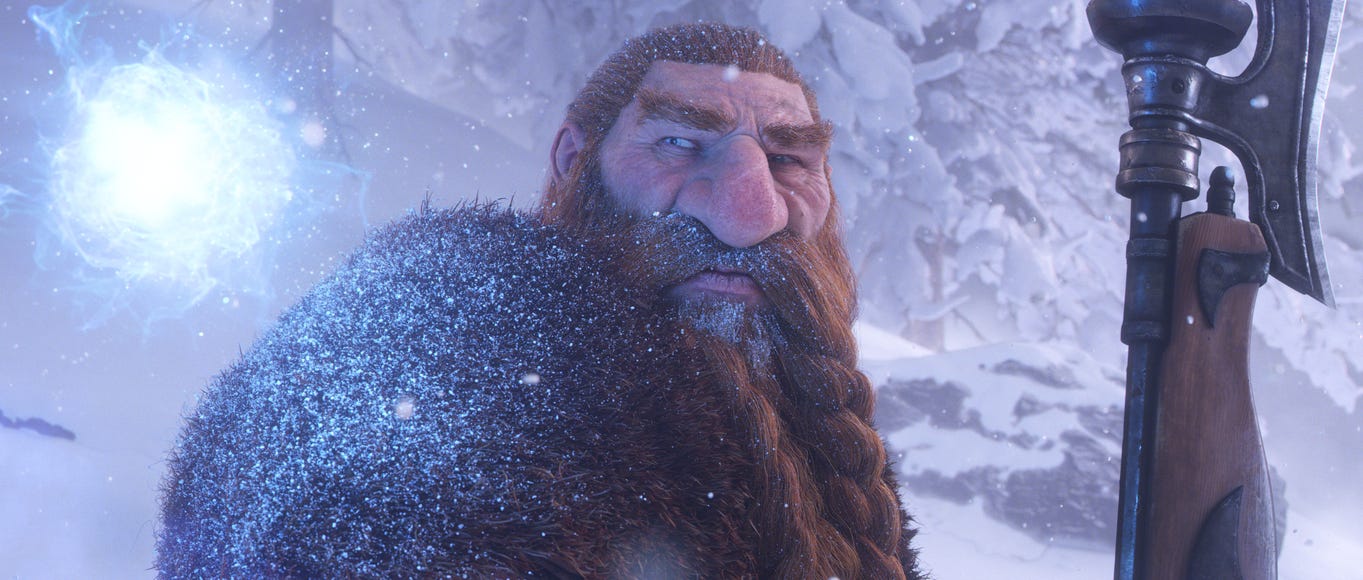
Horizontal progression flips that. If Forever delivers on even half of what’s been teased, your level 60 character from launch doesn’t become obsolete when the next content drop arrives. It becomes one of several characters you’re actively invested in. You’re not racing a reset; you’re building a stable.
That’s the difference between a game you play for a season and a game you play for a decade.
The Old School RuneScape Blueprint
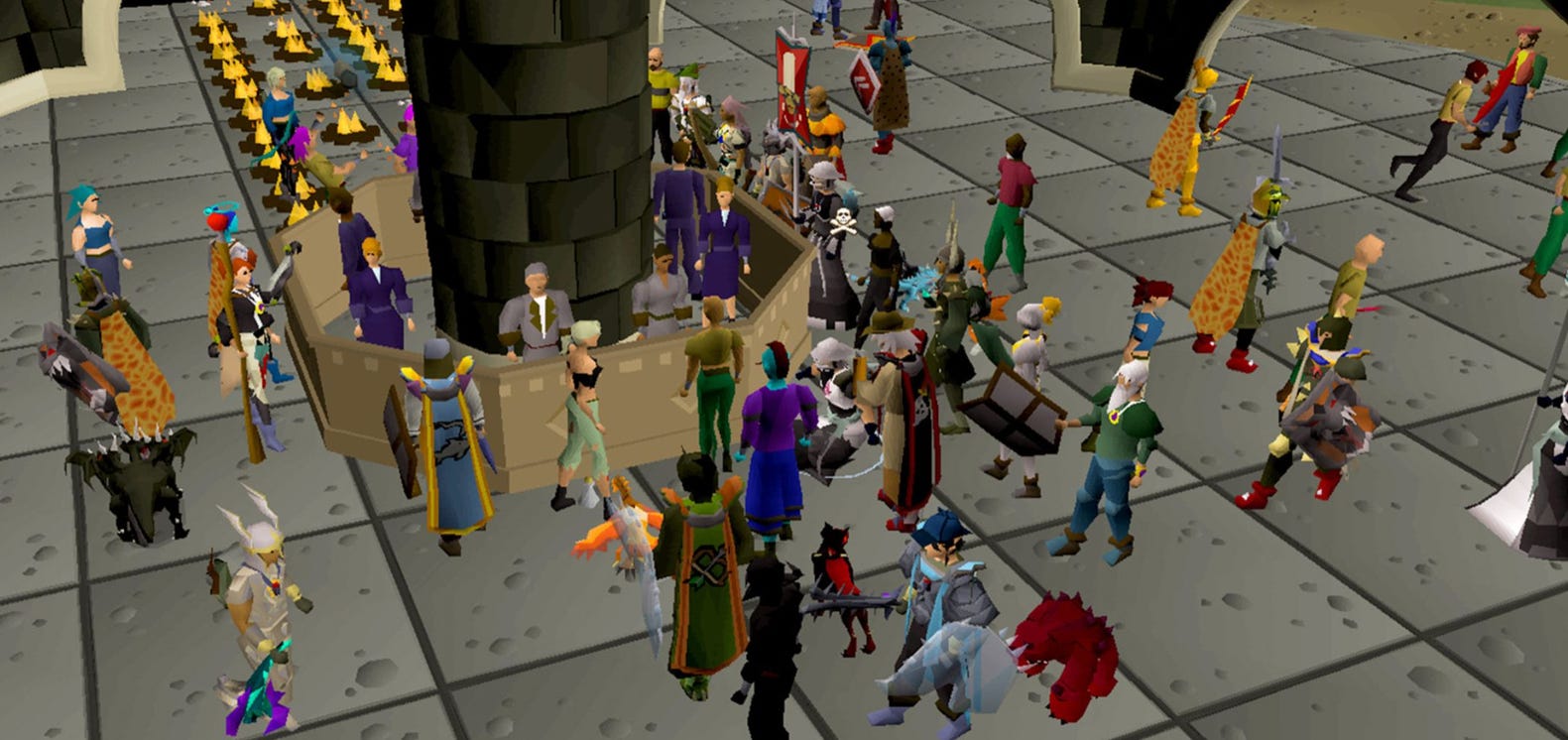
It’s not a coincidence that Blizzard is doing this now. Old School RuneScape has spent the last several years quietly demonstrating that the “give players the old game and let them vote on what changes” model actually works. OSRS isn’t a nostalgia museum. It’s a living game with an active player-base, a functional polling system, and a development cadence that respects its audience’s time. (As of this writing, there is some freakout happening around their more modern 3rd iteration but not really relevant to this discussion.)
Blizzard has been watching. The controller support in the Forever beta is genuinely excellent, not an afterthought, not a checkbox, but a real attempt to make the game playable on a couch, on a Steam Deck, in the living room, without feeling like a compromise. That’s the kind of thing OSRS figured out years ago, and it’s the sort of thing Blizzard historically would have ignored until forced.
The other lesson from OSRS is the polling model. If Forever adopts anything close to “here’s what we’re thinking, tell us if you want it,” it would be the single biggest structural shift in WoW’s history. Not because players should design the game, but because the gap between what Blizzard thinks players want and what players actually want has been the source of nearly every major controversy in the game’s lifetime.
The Yakuza Model
There’s a broader industry lesson buried in this conversation, and it’s the one that applies beyond WoW.
For years, the conventional wisdom in game development has been that sequels need to be bigger. New engine. New map. New everything. The assumption is that if you’re not improving the technology, why would anyone buy the next one?
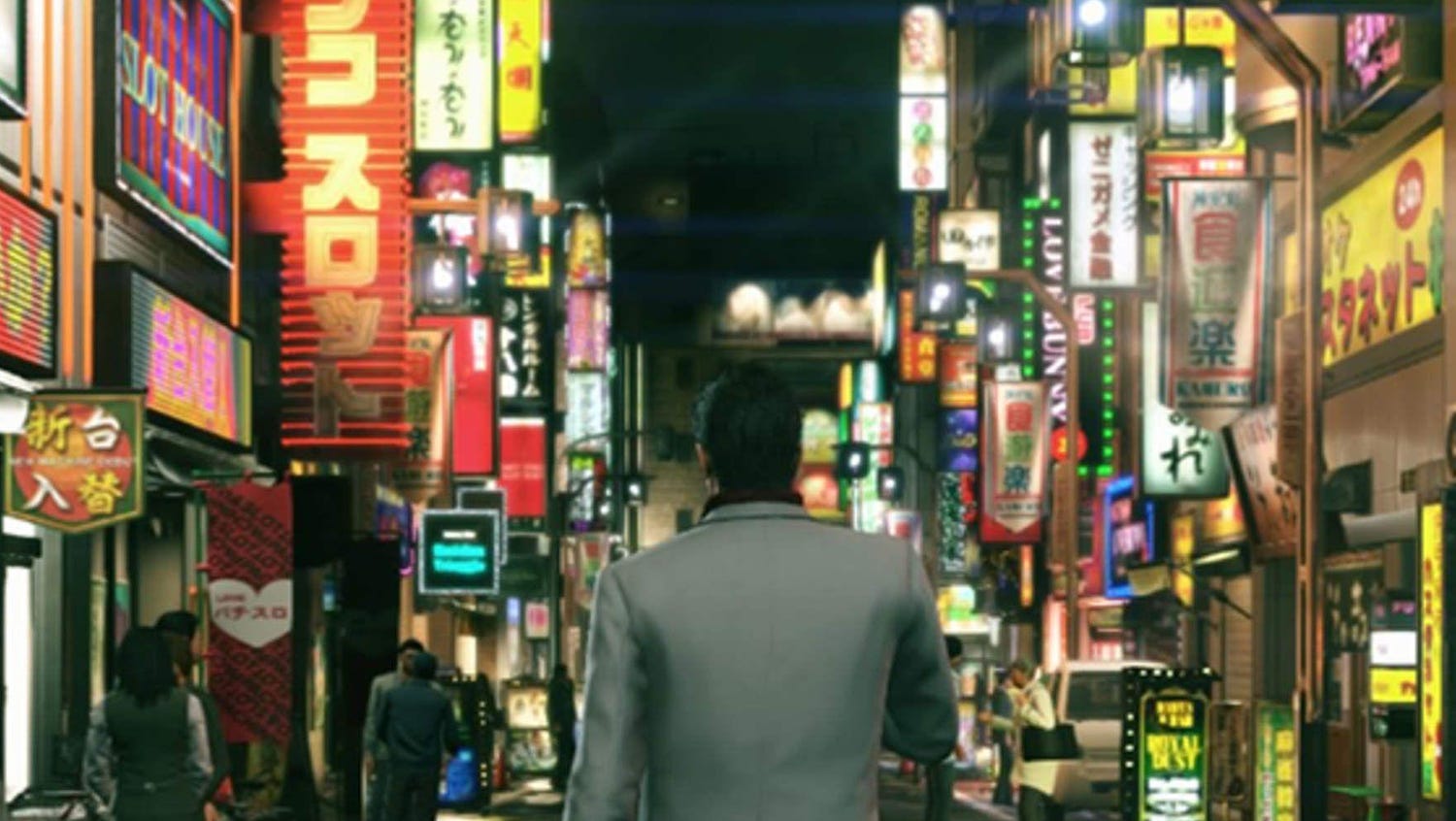
The Yakuza series has been quietly disproving this for over a decade. Same city. Same characters. Same core loop. Small refinements, new story beats, and a deep commitment to the fantasy. It works. Spider-Man staying in New York works. Monopoly has been the same game for a hundred years and people still buy it. (These were just some of the examples that came up in the recent crossover episode, and they work!)
The point isn’t that innovation is bad. The point is that “more of what you love, done thoughtfully” is a legitimate design philosophy, and the industry has been weirdly resistant to embracing it. Forever is Blizzard finally saying the quiet part out loud: we don’t need to reinvent WoW. We need to stop abandoning it every two years.
The Risk
Here’s the part where optimism has to be tempered.
Blizzard has a long history of over-promising and under-delivering on Classic-adjacent projects. The original Classic launch was a triumph. The subsequent progression through Burning Crusade, Wrath, Cataclysm, and Mists was widely seen as a kind of betrayal of the “museum” promise. Players who wanted a permanent vanilla server watched their servers get dragged forward whether they liked it or not.
If Forever is just another seasonal server with a fresh coat of paint, if the horizontal progression is shallow, if the new classes are cosmetic, if the “long-term” promise evaporates after the first content patch, then this will be remembered as the moment Blizzard fumbled the most obvious potential win in its history.
But the early signs are genuinely encouraging. The beta is fun. The design conversations coming out of the team sound like they’re actually listening. And the timing, with retail WoW a little adrift, Final Fantasy XIV in a content lull, and the MMO audience hungry for something that feels like it matters, couldn’t be better.
The Bottom Line
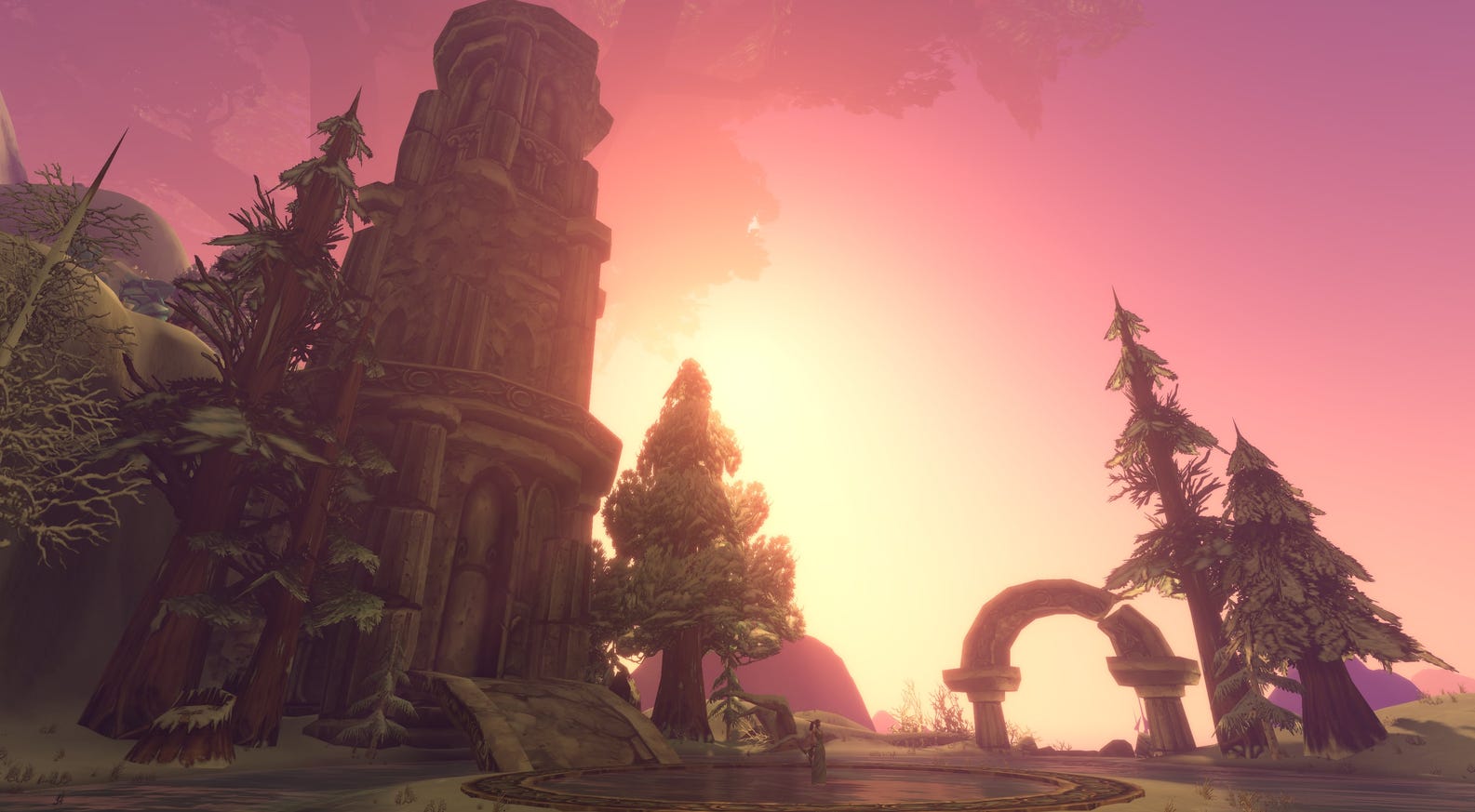
Forever isn’t just a product. It’s a thesis: that the MMO audience doesn’t need a new game every two years, that old content can be respected instead of discarded, and that a game can grow sideways instead of constantly resetting upward.
If Blizzard delivers, this could be the most important thing to happen to WoW since its original launch. If they don’t, it’ll be another entry in a long list of “remember when they almost got it right.”
Either way, it’s the most interesting the conversation around WoW has been in years. And for a game that’s been running for two decades, that alone is worth paying attention to.
If you have not heard the crossover episode, please check it out! You’ll have a great time! We sure did!